
What Causes Dry Mouth and Why It Matters for Your Oral Health
Blog:What Causes Dry Mouth and Why It Matters for Your Oral Health
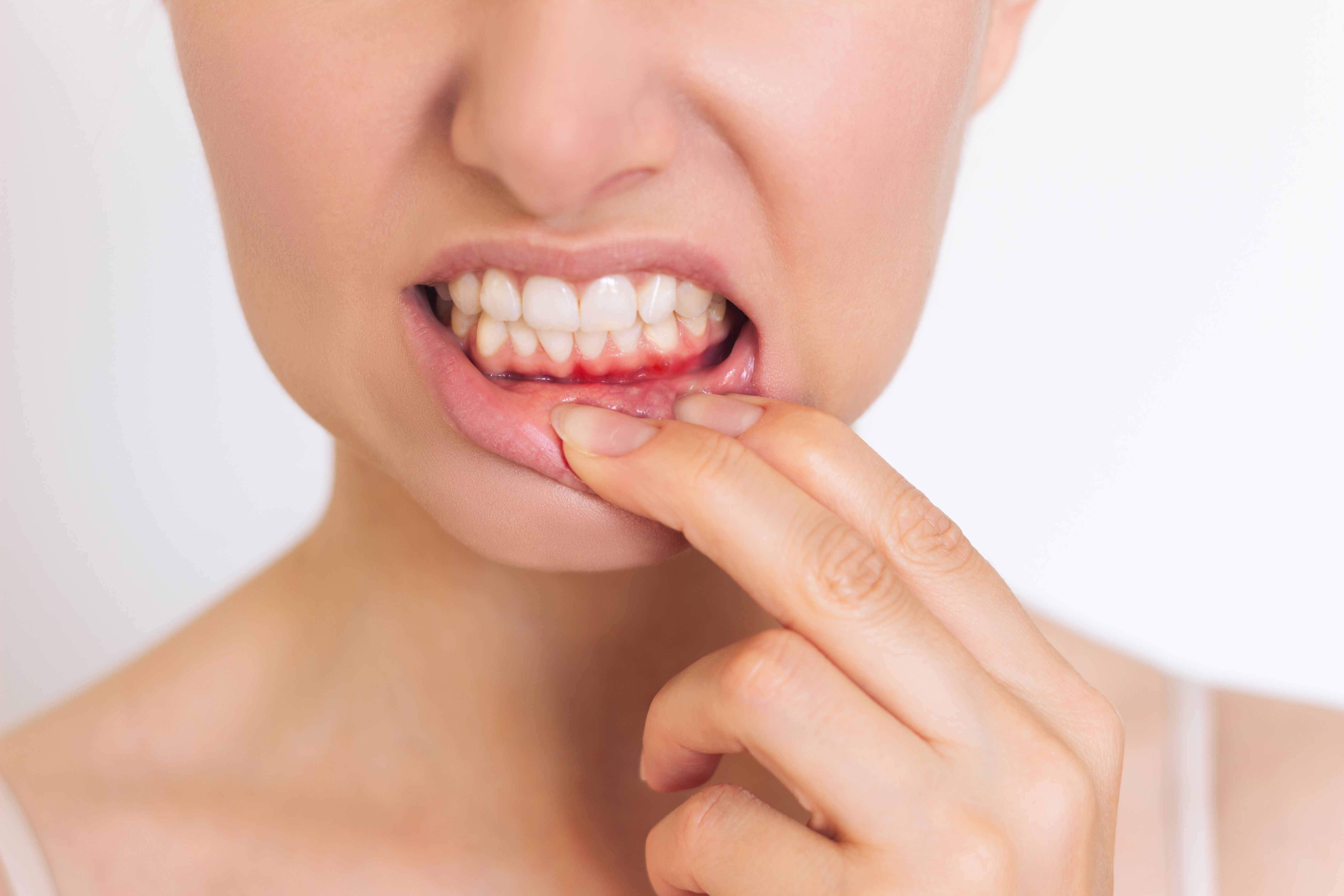
Dry mouth, also called xerostomia, happens when your mouth does not produce enough saliva. While that may seem like a minor issue, saliva plays an important role in protecting your oral health. It helps wash away food particles, balance acids, and reduce harmful bacteria in the mouth. When saliva flow decreases, your mouth becomes more vulnerable to discomfort and dental problems.
Common Causes of Dry Mouth
Dry mouth can happen for many reasons. One of the most common causes is medication. Many prescriptions and over-the-counter drugs can reduce saliva production, including those used for allergies, blood pressure, depression, and anxiety.
Other causes may include dehydration, mouth breathing, tobacco use, stress, and certain health conditions. Some patients also experience dry mouth as a side effect of medical treatments.
Why Saliva Matters
Saliva does more than keep your mouth comfortable. It helps protect the teeth and gums every day. Without enough saliva, plaque and acids can remain on the teeth longer, which can increase the risk of decay and irritation.
Saliva also supports easier chewing, swallowing, and speaking. When your mouth stays dry for too long, even simple daily functions can become less comfortable.
How Dry Mouth Can Affect Your Oral Health
Dry mouth can have a direct impact on your smile. A lack of saliva may lead to a higher risk of cavities, gum inflammation, bad breath, and oral infections. Some people also notice sore tissues, cracked lips, or a burning feeling in the mouth. If left untreated, dry mouth can make it harder to maintain healthy teeth and gums over time.
Symptoms to Watch For
You may want to talk with our dentist if you notice any of the following:
- A dry, sticky, or burning feeling in the mouth
- Frequent thirst
- Trouble chewing, swallowing, or speaking
- Bad breath that does not seem to go away
- Increased cavities or gum irritation
Occasional dryness may not be serious, but ongoing symptoms should not be ignored. Persistent dry mouth can be a sign that your mouth is not getting the protection it needs. A dental evaluation can help identify possible causes and reduce the risk of long-term issues.
Treatment Options for Dry Mouth
Treatment depends on the cause of your dry mouth. In some cases, improving hydration or changing daily habits may help. In others, your dentist may recommend specific oral care products or strategies to keep your mouth more comfortable and protected. The goal is to restore moisture and lower your risk for tooth decay and gum problems.
Contact Tomenko Family Dentistry to schedule care for dry mouth and support your long-term oral health. Visit our office in Sliver Spring, Maryland, or call (301) 439-8333 to book an appointment today.
Helpful Articles
article_category: products
article_category: psychiatry
article_category: faqs
article_category: cats
article_category: general
article_category: services
article_category: technology
article_category: dogs
article_category: restorative
article_category: vision therapy
article_category: contact lenses
article_category: health
article_category: conditions
article_category: eye surgery co-management
article_category: exotic
article_category: cosmetic
article_category: surgical procedures
article_category: aesthetics
article_category: preventative
article_category: ocular disease management
article_category: eyeglasses
article_category: eye health
article_category: large animal
[]
article_category: psychiatry
article_category: faqs
article_category: cats
article_category: general
article_category: services
article_category: technology
article_category: dogs
article_category: restorative
article_category: vision therapy
article_category: contact lenses
article_category: health
article_category: conditions
article_category: eye surgery co-management
article_category: exotic
article_category: cosmetic
article_category: surgical procedures
article_category: aesthetics
article_category: preventative
article_category: ocular disease management
article_category: eyeglasses
article_category: eye health
article_category: large animal
[]
Flowbite is an open-source library of interactive components built on top of Tailwind CSS including buttons, dropdowns, modals, navbars, and more.
Check out this guide to learn how to get started and start developing websites even faster with components on top of Tailwind CSS.

All Dental Services
We offer a wide variety of dental services to the Silver Spring community. Contact us with any questions about our services.
Keep In Touch
For non-urgent questions or to learn more about our services, contact us today!

© 2026 Tomenko Family Dentistry. All rights Reserved - Accessibility Statement - Privacy Policy - Sitemap
Managed and Designed by 